What are the signs you need Mold Testing?
You need mold testing if you see visible mold, smell a musty odor, have unexplained health symptoms, or notice water damage. In Birmingham's humid climate, these signs often point to hidden mold that requires professional testing to locate and identify.
Mold testing isn't something you do for fun. You call a tester because something is off. Maybe you see black spots in the bathroom that keep coming back. Maybe your sinuses act up every time you walk into the basement. Or maybe you just had a pipe burst and you want to be sure the drywall isn't growing something nasty inside. Testing gives you a clear answer instead of guessing.
In Birmingham, the combination of heat and humidity means mold can grow fast. A small leak behind a wall can turn into a big problem in a few weeks. Testing catches it early, before you have to tear out half a room. It also tells you what kind of mold you are dealing with. Some molds are harmless. Others, like Stachybotrys (black mold), can cause real health issues.
You do not need a test for every speck of mildew. If you can wipe it off with bleach and it doesn't come back, you are fine. But if the mold keeps returning, or you cannot find the source, testing is the next step. A professional tester uses tools like moisture meters and air samplers to find what you cannot see.
The key is to act before the problem spreads. Mold does not go away on its own. It keeps growing until you fix the moisture source. Testing gives you a road map for what to do next.
The warning signs to watch for
Visible mold, musty odors, water stains, peeling paint, and health symptoms like coughing or headaches are the main warning signs. In Birmingham, these often show up in basements, crawl spaces, and bathrooms first.
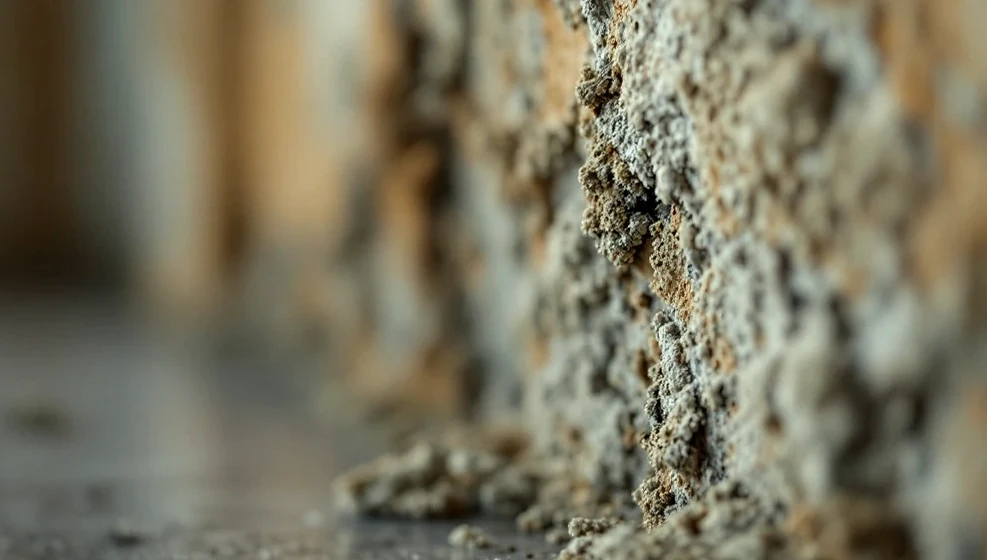
Visible mold is the most obvious sign. It can look black, green, white, or even orange. It might be fuzzy or slimy. You might see it on drywall, wood, tile grout, or carpet. But remember: mold often grows behind walls or under floors where you cannot see it. That is why the other signs matter just as much.
A musty smell is a dead giveaway. If a room smells like damp earth or old socks, there is mold somewhere. In Birmingham, that smell is common in older homes with poor ventilation. You might notice it in a closet, a bathroom, or a basement. The smell means mold is actively growing and releasing spores into the air.
Water stains on ceilings or walls are another red flag. Even if the stain is dry, the moisture might have already caused mold inside the wall. Peeling paint or bubbling wallpaper also point to trapped moisture. In Birmingham's humidity, these issues do not dry out on their own. They stay damp and invite mold.
Health symptoms are a big clue. If you or your family get stuffy noses, sore throats, headaches, or itchy eyes when you are home, but feel better when you leave, mold could be the cause. People with asthma or allergies are especially sensitive. Kids and older adults react faster too.
Condensation on windows or pipes is a quieter sign. It means the humidity level in your home is too high. In Birmingham, summer humidity can hit 90 percent. That moisture collects on cool surfaces and creates perfect conditions for mold. If you see condensation regularly, you might need a dehumidifier or better ventilation.
What causes these problems in Birmingham
Birmingham's hot, humid climate is the main cause. Leaky roofs, poor drainage, high groundwater, and inadequate ventilation turn small moisture problems into mold problems fast.
Birmingham sits in a humid subtropical zone. That means warm, wet air for much of the year. Mold spores are always in the air outside. They get inside through open doors, windows, and HVAC systems. Once inside, they just need moisture and a surface to grow on. Your home provides plenty of both.
Leaky roofs are common here. The freeze-thaw cycle in winter can crack shingles, and summer thunderstorms can drive water under them. A small roof leak might drip into your attic for months before you notice a stain on the ceiling. By then, mold has spread across the attic sheathing and insulation.
Poor drainage around the foundation is another big one. Birmingham has a lot of clay soil, which holds water. If your gutters are clogged or downspouts dump water next to the foundation, that water seeps into the basement or crawl space. A damp crawl space is a mold factory. You might never see it, but the smell and health effects will find you.
High groundwater is a reality in parts of Birmingham, especially near the Cahaba River or in low-lying neighborhoods like Avondale or Woodlawn. A wet spring can push water into a slab foundation or a basement wall. That moisture wicks up into the drywall and flooring, and mold follows.
Poor ventilation makes everything worse. Many Birmingham homes have bathrooms with weak exhaust fans or no fans at all. Kitchens lack range hoods that vent outside. Laundry rooms trap moisture from dryers. Without air movement, humidity stays high and mold grows on surfaces you use every day.
What happens if you ignore the signs
Ignoring mold signs leads to structural damage, higher health risks, and lower property value. Mold spreads, ruins drywall and wood, and can make a home unsafe to live in. Testing early saves money and hassle.
Mold does not stop growing. It feeds on organic materials like wood, drywall paper, and carpet. Over time, it weakens those materials. A small patch on a wall can turn into a soft, crumbly spot that needs to be cut out and replaced. In a crawl space, mold can rot the floor joists and subfloor, leading to sagging floors and expensive repairs.
Health problems get worse with continued exposure. What starts as a mild allergy can turn into chronic sinus infections, asthma attacks, or even fungal lung infections in severe cases. People with weakened immune systems are at the highest risk. The longer you wait, the more spores you breathe in.
Property value takes a hit. If you ever sell your home, a mold problem will show up on a home inspection. Buyers will walk away or demand a big price cut. In Birmingham, where the real estate market is competitive, a clean bill of health on mold is a major selling point. Ignoring it now means paying for it later.
Mold can also damage your HVAC system. Spores get pulled into the ductwork and spread throughout the house. The system becomes a distribution network for mold. Cleaning ducts is expensive, and if the mold is inside the air handler, you might need to replace the unit.
The worst-case scenario is a mold infestation that forces you to move out during removal. That means hotel bills, storage fees, and lost time. A professional mold test costs a fraction of what a full removal and rebuild will cost. Testing early is cheap insurance.
Common questions about Mold Testing warning signs
Homeowners in Birmingham often ask about cost, timing, and what to do after a test. Here are answers to the most common questions.
Testing is not something you do every year. You do it when you have a reason. The most common reason is visible mold or a musty smell. But some homeowners test after a flood, before buying a house, or after a renovation that uncovered old water damage. In Birmingham, testing after a heavy rain season is smart if you have a basement or crawl space.
A professional mold test typically involves an inspection, moisture readings, and air samples. The inspector will look for signs of moisture and mold, then take samples from the air and from surfaces. Those samples go to a lab for analysis. The lab report tells you what kind of mold is present and how many spores are in the air.
You can buy DIY mold test kits at hardware stores. They are cheaper, but they are also less reliable. A DIY kit might tell you that mold is present, but it won't tell you where the source is or how bad the problem is. A professional test gives you a complete picture and a plan for fixing it.
The cost of a mold test varies based on the size of your home and how many samples are needed. A typical range for a single-family home in Birmingham is between $300 and $700. Larger homes or homes with multiple problem areas can run higher. The only way to get an exact figure is a free on-site quote.
After the test, you get a lab report. If the report shows high spore counts or toxic mold, you need removal. That means fixing the moisture source and removing the mold. Sometimes a simple cleaning with detergent works. Other times, you need to cut out drywall and treat the framing. Your tester can recommend a removal company.
Mold testing is not required by law in Birmingham, but it is often required by lenders when you buy a home with a history of water damage. Some homeowners insurance policies also require testing before they will cover mold damage. Check your policy to be sure.
If you test and the results are clean, you still need to address the moisture issue. Mold testing only tells you what is there now. If you have a leaky pipe or high humidity, the mold will come back. Fix the moisture first, then test again to confirm the problem is gone.
The best time to test is after a rain event or during the summer when humidity is highest. That is when mold is most active. Testing in the middle of a dry winter might miss a problem that flares up in July. If you have a known water issue, test as soon as you find it.
You do not need to test every room. Focus on areas with visible mold, musty smells, or past water damage. A good inspector will help you decide where to sample. Testing the whole house is usually overkill unless you have a widespread problem.
Mold testing is not a DIY project for most homeowners. The equipment and training matter. A professional knows where to look and how to interpret the results. If you are serious about solving a mold problem, hire someone who does this for a living.
Frequently Asked Questions
How much does mold testing cost in Birmingham?
A typical range for a single-family home is between $300 and $700. Larger homes or homes with multiple problem areas can run higher. The only way to get an exact figure is a free on-site quote.
Can I do my own mold test with a kit from the store?
You can, but DIY kits are less reliable. They might tell you mold is present, but they won't tell you where the source is or how bad the problem is. A professional test gives you a complete picture and a plan for fixing it.
When should I get mold testing?
Test when you see visible mold, smell a musty odor, or have unexplained health symptoms. Also test after a flood, before buying a house, or after a renovation that uncovered old water damage. In Birmingham, testing after a heavy rain season is smart if you have a basement or crawl space.
What does a professional mold test include?
A professional test typically includes an inspection, moisture readings, and air samples. The inspector looks for signs of moisture and mold, then takes samples from the air and surfaces. Those samples go to a lab for analysis.
Is mold testing required by law in Birmingham?
No, it is not required by law. But it is often required by lenders when you buy a home with a history of water damage. Some homeowners insurance policies also require testing before they will cover mold damage.
What happens after the test?
You get a lab report. If it shows high spore counts or toxic mold, you need removal. That means fixing the moisture source and removing the mold. Your tester can recommend a removal company.
Can I test only one room?
Yes. Focus on areas with visible mold, musty smells, or past water damage. A good inspector will help you decide where to sample. Testing the whole house is usually overkill unless you have a widespread problem.
What if the test comes back clean but I still have a moisture problem?
You still need to fix the moisture issue. Mold testing only tells you what is there now. If you have a leaky pipe or high humidity, the mold will come back. Fix the moisture first, then test again to confirm the problem is gone.
What is the best time of year to test for mold in Birmingham?
Test after a rain event or during the summer when humidity is highest. That is when mold is most active. Testing in the middle of a dry winter might miss a problem that flares up in July.
Should I test before buying a house in Birmingham?
Yes, especially if the house has a basement, crawl space, or a history of water damage. A mold test can save you from buying a house with hidden problems. It is a small cost compared to the potential repair bills.
Need mold testing in Birmingham? Get a free estimate today.
📞 256-305-1456