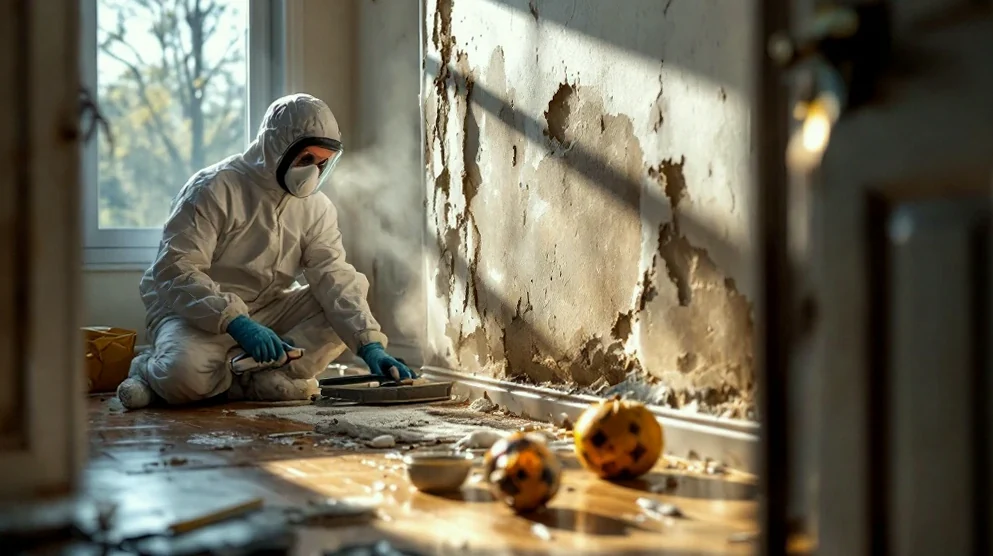
What is Mold Testing and how does it work?
Mold testing is the process of collecting air or surface samples from your home and sending them to a lab to identify if mold is present, what kind it is, and how much of it is floating around.
Mold testing is not the same as a mold inspection. An inspection is a visual walkthrough where a trained pro looks for signs of moisture, water stains, musty smells, and visible growth. Testing is the part where we actually collect samples and get lab results back. You can have an inspection without testing, but you cannot have testing without an inspection first.
In Birmingham, the humidity alone can make a home feel damp even when there is no active leak. That is why testing matters here more than in drier parts of the country. A home in Crestline might show no visible mold but still have elevated spore counts in the air. Testing catches that.
The lab report tells you three things: the total spore count per cubic meter of air, the types of mold present, and a comparison between indoor and outdoor samples. That comparison is critical because outdoor air always has some mold. If your indoor count is way higher than the outdoor one, you have a problem.
A standard test covers the living areas, the basement or crawlspace, and one outdoor sample as a baseline. The whole process from start to getting results usually takes 48 to 72 hours. Some rush labs can turn it around in 24 hours for an extra fee.
Testing is not a DIY job for most people. The equipment needed to collect a valid air sample costs several hundred dollars for a decent pump, and the sampling cassettes are single-use. One mistake in setup or timing and the sample is garbage.
How Mold Testing works, step by step
A certified mold inspector walks your entire home, notes any problem areas, then sets up air sampling pumps in key rooms and one outdoor location. The samples go to a lab, and you get a report a few days later.
First, the inspector does a full visual inspection. They look at every room, the attic, the crawlspace, the HVAC system, and around windows and doors. They use a moisture meter to check drywall, wood, and flooring for hidden dampness. In a Birmingham home, the crawlspace is almost always the first place they check because humid air settles there and stays.
Once the inspection is done, the inspector picks where to sample. They choose the room where the smell is strongest, the room where someone has allergy symptoms, and a control room that seems fine. They also sample the outdoor air on the shady side of the house, away from exhaust vents or compost piles.
The air sampling pump sits on a tripod about three feet off the floor, which is roughly breathing height. It pulls a measured volume of air through a small cassette that catches mold spores on a sticky slide. The pump runs for five to ten minutes per sample. The inspector logs the start time, end time, and the exact location.
Surface sampling is different. If the inspector sees a suspicious patch on drywall or a dark spot on a baseboard, they can press a piece of clear tape against it. The tape lifts spores and hyphae fragments right off the surface. That tape goes into a sterile bag and gets sent to the lab too.
The samples go to a lab that specializes in mycology, the study of fungi. A technician stains the slides and counts every spore under a high-powered microscope. They identify the genus of each spore, sometimes the species. The report comes back with numbers for each type of mold found.
The inspector then reviews the report with you. They explain which molds are common in Birmingham outdoor air, like Cladosporium and Alternaria, and which ones should not be indoors at high levels, like Stachybotrys or Chaetomium. If the numbers are high, they recommend next steps for removal.
- Visual inspection first, always. No shortcuts.
- Air samples taken in problem rooms plus one outdoor baseline.
- Surface tape lifts for visible growth spots.
- Lab analysis takes 48 to 72 hours standard.
- Results compared to outdoor levels to determine if indoor air is compromised.
Why Mold Testing matters for your home
Mold testing tells you if the air your family breathes is safe and gives you a clear plan for fixing any problems. Without testing, you are guessing about what is in the air and where it is coming from.
Birmingham sits in a humid subtropical climate. Summer dew points regularly hit the 70s, which means the air is thick with moisture. That moisture feeds mold growth everywhere: behind walls, under sinks, in attics, and in crawlspaces. You can clean visible mold off a shower curtain, but the spores that settle into your HVAC system keep circulating.
A lot of homeowners think they can smell mold and just open a window. That does not work. Opening a window in July pulls in air that is 90 percent humidity, which makes the problem worse. Testing gives you a number so you know whether the smell is harmless or a sign of a hidden colony.
Real estate transactions are another big reason to test. If you are buying a house in Forest Park or Highland Park, a mold test can reveal issues the seller never knew about. If you are selling, a clean test result can speed up the sale and remove a common negotiation point.
Health is the most personal reason. Some people react to even low levels of mold spores with headaches, fatigue, or sinus congestion. Others have asthma that gets worse indoors. Testing identifies the specific mold types so your doctor knows what you are being exposed to.
Mold testing also saves you money in the long run. If you find a small leak behind a wall before it spreads, you fix it for a few hundred dollars. If you wait until the wall caves in, you are looking at thousands in structural repairs. Testing is cheap insurance.
Insurance companies in Alabama have started denying claims for mold damage if the homeowner cannot prove when the mold started. A dated lab report from a mold test can be the evidence you need to get a claim approved.
Common problems and what causes them
The most common mold problems in Birmingham homes come from crawlspace moisture, HVAC condensation, and slow plumbing leaks. Each one creates a different pattern of mold growth and requires a different fix.
Crawlspace mold is the number one issue we see. Birmingham's clay soil holds water, and many older homes have dirt crawlspaces with no vapor barrier. Moisture evaporates from the dirt, rises into the floor joists, and feeds mold on the subfloor. The fix is usually a vapor barrier, a dehumidifier, and sometimes encapsulation.
HVAC systems are another major source. The air handler sits in the attic or crawlspace, and the cooling coils drip condensation into a drain pan. If that drain clogs, water backs up and floods the pan, then the insulation around the ducts gets wet. Black mold grows on the insulation and blows spores through every vent in the house.
Slow plumbing leaks behind walls or under sinks are the sneakiest. A pinhole leak in a copper pipe can drip a cup of water a day for months. The drywall stays damp, and mold grows inside the wall cavity. You never see it until the drywall starts to bubble or the smell gets strong enough to notice.
Window condensation is a seasonal problem. In winter, single-pane windows in older Birmingham homes get fogged up every morning. The moisture runs down and soaks the wooden window sills. That is a perfect spot for mold. The fix is better ventilation, storm windows, or a dehumidifier.
Poor ventilation in bathrooms and kitchens also causes trouble. A bathroom exhaust fan that vents into the attic instead of outside just dumps moist air into the insulation. That warm, wet attic space breeds mold all year. Same thing with a kitchen range hood that recirculates instead of venting outside.
Flooding is a different beast. After a heavy rain in areas like Avondale or East Lake, water can seep into basements or crawlspaces. If the water sits for more than 24 hours, mold starts growing. Testing after a flood tells you whether the drying process worked or if spores are still in the air.
Common questions about Mold Testing
Here are the questions Birmingham homeowners ask most often about mold testing.
Most people want to know if they can test for mold themselves. You can buy a home test kit at a hardware store, but those kits are not very reliable. They only tell you if mold is present, not how much or what kind. The lab analysis from a pro is far more accurate.
Another common question is whether testing is necessary if you can already see mold. If you see a small patch, you do not need a test to know it is there. But you do need a test to find out if the spores have spread to other rooms through the HVAC system. That is the hidden danger.
People also ask how often they should test. There is no set schedule. Test when you smell something musty, when someone in the house develops unexplained allergy symptoms, after a water leak or flood, or before buying or selling a home.
Some homeowners wonder if mold testing is covered by homeowners insurance. Most standard policies in Alabama do not cover testing or removal unless the mold is caused by a covered peril like a burst pipe. Check your policy. Flood damage is almost never covered for mold.
A frequent question is what happens if the test comes back positive. The lab report tells you the type and concentration of mold. If it is a common outdoor mold at low levels, you might just need better ventilation. If it is Stachybotrys or high levels of Aspergillus, you need professional removal.
People ask if they should stay in the house during testing. Yes, you can. The testing itself is non-invasive and takes a few hours. The inspector will need access to every room, so you may want to be there to let them in and answer questions.
Another question is about the cost. Pricing varies based on the size of your home and the number of samples needed. A typical test for a 2,000 square foot house runs several hundred dollars. The only way to get an exact figure is a free on-site quote.
Homeowners also ask if mold testing can find mold behind walls without cutting holes. Air sampling can detect elevated spore levels that suggest hidden mold, but it cannot pinpoint the exact location. Surface testing on tape lifts from vents or baseboards can give clues. Sometimes you have to cut a small hole to confirm.
Finally, people want to know if mold testing is the same as an indoor air quality test. No. An indoor air quality test covers things like VOCs, carbon monoxide, radon, and particulate matter. Mold testing is specifically about fungal spores. They are separate services.
One last thing: some homeowners ask if they should test after removal. Yes, absolutely. A post-removal test confirms that the mold is gone and the air is safe. Most removal companies guarantee their work only if a third party does the clearance test.
Frequently Asked Questions
Can I test for mold myself with a home kit?
You can, but home test kits are not very reliable. They only tell you if mold is present, not how much or what kind. A professional test gives you exact spore counts and identifies the species, which matters for health and removal decisions.
Do I need testing if I can already see mold?
If you see a small patch, you know it is there. But testing tells you if spores have spread to other rooms through the HVAC system. That hidden spread is the real danger, and you cannot see it.
How often should I test my home for mold?
There is no set schedule. Test when you smell something musty, after a water leak or flood, before buying or selling a home, or if someone develops unexplained allergy symptoms.
Does homeowners insurance cover mold testing?
Most standard policies in Alabama do not cover testing or removal unless the mold is caused by a covered peril like a burst pipe. Flood damage is almost never covered for mold. Check your policy.
What happens if the test comes back positive?
The lab report tells you the type and concentration. Common outdoor molds at low levels may only need better ventilation. High levels of Stachybotrys or Aspergillus require professional removal.
Do I have to leave my house during testing?
No. Testing takes a few hours and is non-invasive. The inspector needs access to every room, so it helps if you are there to let them in and answer questions.
How much does mold testing cost?
Pricing varies based on home size and number of samples. A typical test for a 2,000 square foot house runs several hundred dollars. The only way to get an exact figure is a free on-site quote.
Can mold testing find mold behind walls without cutting holes?
Air sampling can detect elevated spore levels that suggest hidden mold, but it cannot pinpoint the exact spot. Surface tape lifts from vents or baseboards can give clues. Sometimes a small hole is needed to confirm.
Is mold testing the same as an indoor air quality test?
No. Indoor air quality tests cover VOCs, carbon monoxide, radon, and particulate matter. Mold testing is specifically about fungal spores. They are separate services.
Should I test after mold removal?
Yes. A post-removal test confirms the mold is gone and the air is safe. Most removal companies guarantee their work only if a third party does the clearance test.
Need mold testing in Birmingham? Get a free estimate today.
📞 256-305-1456